
Customer Story · Fast-Casual QSR
How Eaping Fresh Chinese Restaurant Improved Freshness and Kitchen Operations During Peak Hours
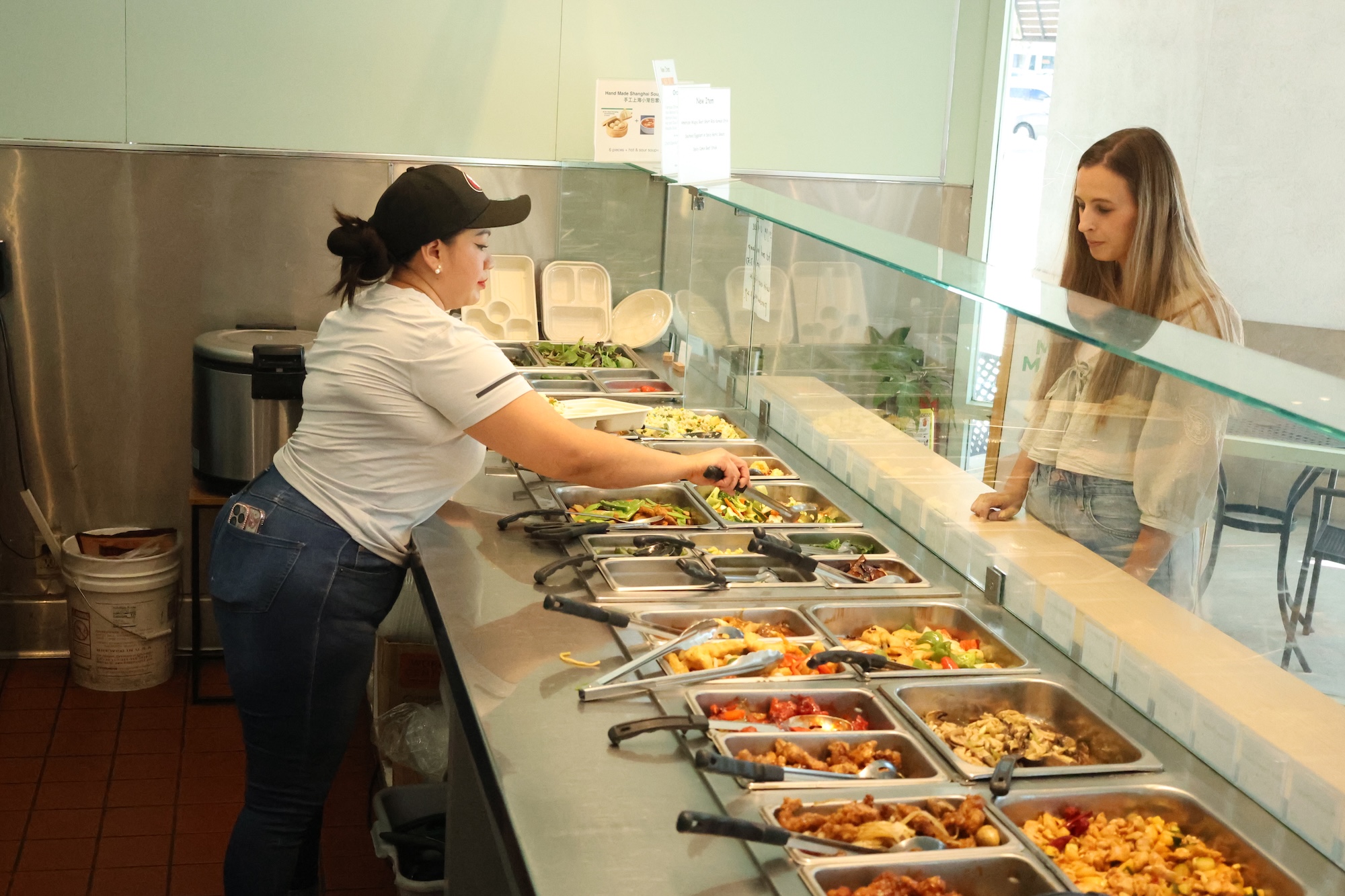
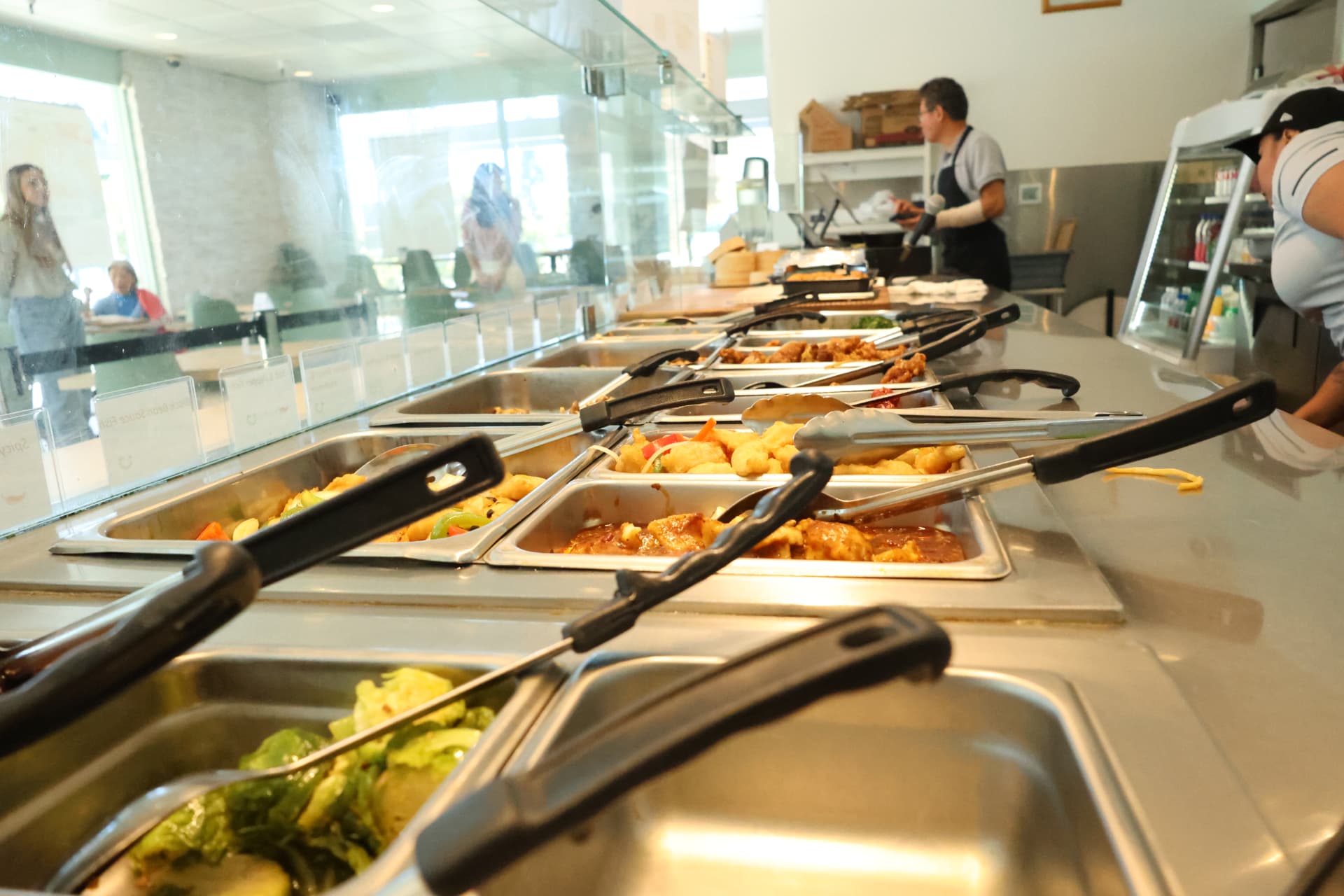
Eaping is a fast-casual American Chinese restaurant serving high volumes of guests from a hot bar with dozens of rotating pans. The team already knew which items sold best from their POS. The harder problem was operational: keeping food fresh through the rush without overproducing in the slow hours.
Results at a glance
Customer Snapshot
- Business
- Eaping Fresh Chinese Restaurant
- Industry
- Fast-casual QSR
- Service format
- Hot bar / serving line
- Key feature
- Freshness alert
- Measurement period
- September 2025 – March 2026
- Inflection point
- February 2026
The Challenge
During lunch and dinner rushes the team had to keep the line full and moving. In slower periods they needed to avoid cooking food that would sit too long. Every dish had a different holding time, so freshness was hard to track consistently — and nearly all of it depended on staff judgment.
- Do we need another batch yet?
- Has this pan been sitting too long?
- Should we replace this item now or wait?
- Are we cooking too much during slower periods?
The result was familiar to high-volume QSR kitchens: inconsistent food quality, food sitting too long, extra waste from overproduction, stress at peak, and little visibility into what was actually happening during service.
The Solution
Eaping integrated Metafoodx's real-time food monitoring platform to remove the guesswork from holding-time decisions. When a fresh pan is placed on the line, staff scan it and the system tracks its lifecycle automatically.
Normal
Food is fresh and within its optimal holding window.
Warning
The holding window is closing; action will be needed soon.
Critical
Action is required immediately: replenish, rotate, or discard.
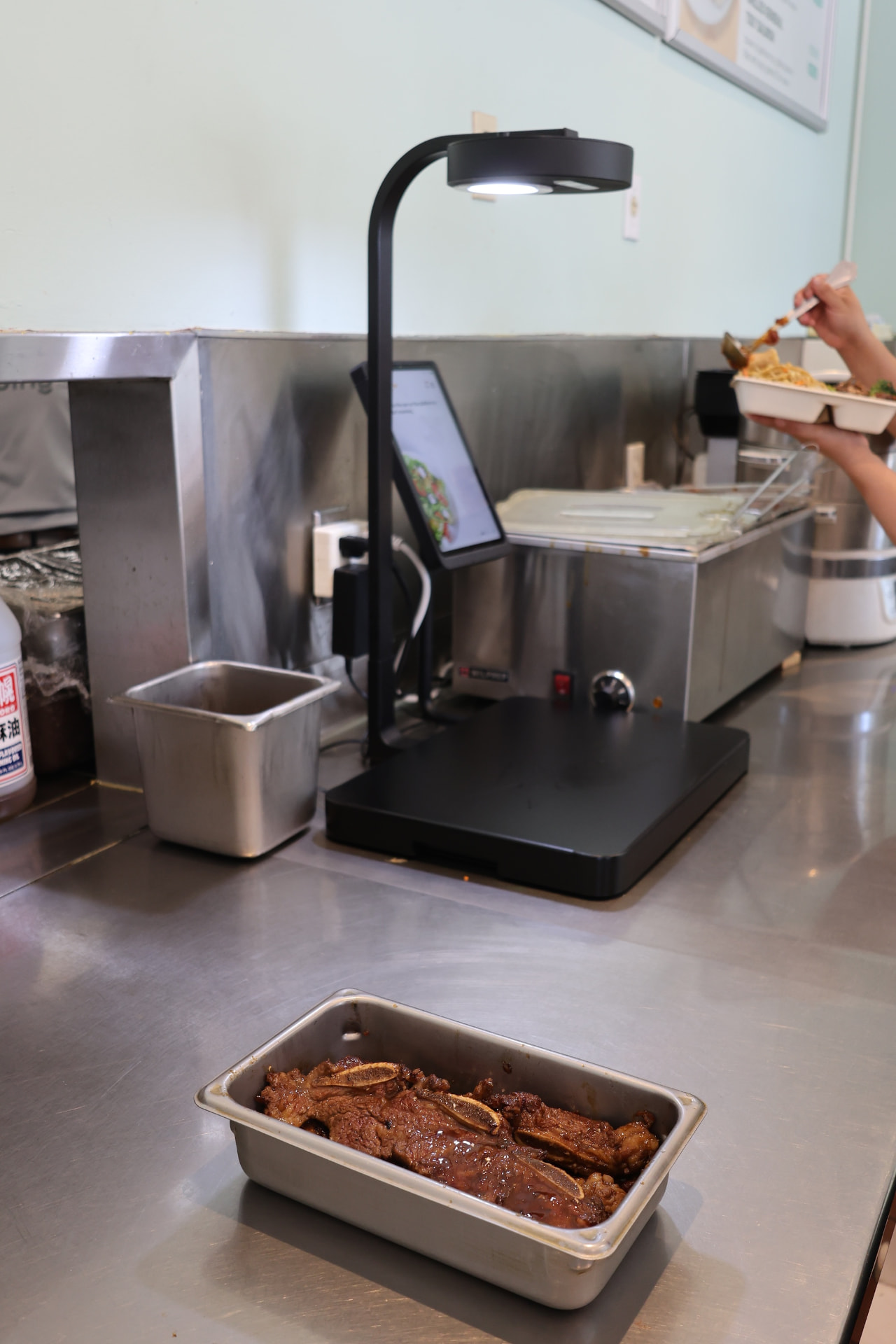
Behind the scenes, managers review dashboards covering scan compliance, alert history, exact holding durations, and digital temperature records — shifting management from reactive firefighting to proactive coaching.
For line employees, the alerts become part of the rhythm of service: a quick glance tells them whether a pan is fresh, aging, or ready to be rotated. No clipboards, no manual timers, and no guessing during the rush.
The Results
Around February 2026 the team began paying closer attention to freshness alerts and timer logs. From September 2025 through March 2026 freshness alerts fell roughly 30%, and all six of the most-alerted menu items trended downward — evidence the kitchen was getting better at timing, replenishment, and production throughout the day.
All six tracked items showed lower alert rates by March 2026. Veg Chow Mein, the most frequently alerted item, dropped from 6.4% to 2.5%.
Better production planning
| Service period | Before Metafoodx | After Metafoodx |
|---|---|---|
| Slower periods | Large batches made out of habit; food aged on the line; high waste. | Smaller batches produced; fresher food on the line; minimal waste. |
| Peak periods | Reactive cooking; delayed replenishment; slower service lines. | Predictive timing; kitchen stays ahead of demand; smoother service flow. |
Eaping also tracks food diversion categories — reuse, donation, and compostable food — giving management clearer visibility into where further improvements can be made.
Simpler operations for staff
Freshness alerts removed most of the manual tracking staff previously carried through busy shifts. Rather than relying on memory or checking timestamps, employees can focus on cooking, serving, and quality. The alerts are deliberately simple and non-disruptive — guidance in the background that still keeps the team accountable.

"Around February, we started paying closer attention to the alert system and timer logs. That made a big difference in quality consistency. Since using Metafoodx, we've seen real improvements in food freshness and quality consistency. Staff are more accountable too — the alert system keeps everyone on track without being disruptive."
Why this matters for QSR
For quick-service and fast-casual restaurants, growth amplifies every operational tension: speed during peak-hour service, consistency across shifts, and tight control over food costs. Eaping's results show that real-time freshness alerts and automated holding-time visibility do more than protect food quality — they directly reduce overproduction and food waste, streamline kitchen efficiency, and create a steadier guest experience from open to close.
Download the full case study
Get the complete breakdown of the Eaping rollout — how freshness alerts work, the results by menu item, and what changed on the line.